Declining Bitcoin Exchange Flows Signal Market Caution
Understanding the Ebb and Flow of Bitcoin Exchange Liquidity
As whispers of 2026 echo through the corridors of crypto speculation, a subtle yet critical shift is taking place. 🧠 Exchange flows of Bitcoin—a lifeline for market liquidity—are on the decline, but what could this mean for the savvy investor monitoring the pulse of digital currencies?
The dip in exchange reserves might set off alarms, hinting at a tightening market where demand outweighs supply. This can be a double-edged sword, presenting both 10x opportunities and significant risks. 📈⚠️
For those keen on learning and positioning rather than rolling the dice on speculation, this trend demands careful analysis. It's about crafting a smart setup for potential growth while staying alert to the red flags that could signal a need for strategic adjustment.
Market environment
As Bitcoin exchange flows dwindle, savvy players know it's a critical juncture to reassess the market's health 🧠. With liquidity quietly evaporating, the current landscape demands a sharp eye on what this could mean for your crypto journey.
Get more insights
Weekly highlights, deeper research notes, and market alerts.
Friction points like KYC hurdles and banking compatibility are more than just annoyances—they're market mood indicators. Know the rules, and you'll navigate the shifts with fewer scrapes 🔐.
Derivative data whispers of a reset, suggesting that the savvy can spot 10x opportunities amidst the ripples. But don't be fooled—timing is everything, and 2026 isn’t late—it’s selective.
- Global availability of cryptocurrencies varies by region, making some markets more prone to liquidity issues.
- Exchange outflow patterns can signal trader sentiment—keep an eye out, but remember: correlation is not causation.
- Understanding local regulations is key; regulatory changes can either open floodgates or tighten the screws on liquidity.
- Fees and fiat rails play a significant role in market accessibility and can influence exchange flow trends.
- Stay informed on derivatives markets; they often paint a broader picture of the underlying assets' future movements.
Crypto Market 2026: Distinguishing Value from Hype
As the crypto landscape marches into 2026, the focus sharpens on the enduring assets that have proven their worth. It's a pivotal era where timing, maturity, and selectivity converge, separating fleeting trends from sustainable innovation. 🌍 2026 isn’t late — it’s selective. Globally, varying degrees of regulation and adoption continue to shape the trajectory of the crypto markets, with some regions leading the charge while others cautiously toe the line.
Amidst the noise, savvy enthusiasts are homing in on the technologies and platforms that offer tangible value. With the market's maturation, the lens zooms in on quality over quantity, demanding a discerning eye for crypto's true potential. 🧠
Whether you're a seasoned investor or a curious newcomer, grasping the current crypto vanguard is crucial. It's about understanding where smart money gravitates and why, all while staying alert to the risks that come with the territory. ⚠️
Major 2026 industry trends
Real-World Assets (RWA) being tokenized are reshaping finance, allowing crypto to underpin tangible assets like real estate and art. This melding of the physical and digital realms is pivotal for mainstream acceptance and diversification. However, the risk lies in the accurate valuation and regulatory compliance of these assets. 🔐
Restaking is revolutionizing yield generation by enabling staked assets to be reused in secondary markets for additional returns. It's a game-changer for passive income seekers but carries the risk of over-leveraging and systemic instability if not managed prudently. 📈
AI-DeFi, the fusion of Artificial Intelligence with Decentralized Finance, is enhancing predictive analytics, risk assessment, and automated decision-making. It promises greater efficiency and smarter investing but poses concerns around transparency and the unpredictability of AI-driven systems. 🚀
Layer 2 (L2) scaling ecosystems are vital for reducing congestion and fees on blockchain networks, fostering a more user-friendly environment. They're essential for mass adoption but can be complex to navigate and sometimes risk security in favor of efficiency. 🔐
| Direction | Return profile | Risk level | Beginner-friendly |
|---|---|---|---|
| RWA Tokenization | Yield-like | Medium | Maybe |
| Restaking | Fee-driven | High | No |
| AI-DeFi | Volatility-driven | High | No |
| L2 Scaling Ecosystems | Fee-driven | Medium | Maybe |
Platform review: a user-friendly experience.
As we navigate the dynamic landscape of cryptocurrency in 2026, the importance of platforms cannot be overstated. In an era where digital assets play a pivotal role in both personal finance and global commerce, the platforms that facilitate these transactions are the backbone of the user's experience. Users demand not just cutting-edge functionality but also an intuitive interface that makes navigation a breeze. The best platforms out there understand that usability is king—people want to engage with crypto, not wrestle with complex systems. This is exactly why many modern platforms focus on marrying innovation with simplicity, ensuring that the power of blockchain technology is harnessed in a way that is accessible to all.
Moreover, transparency and a safety mindset are non-negotiable in today's platforms. As the space matures, users are increasingly savvy about the need for robust security practices. They look for platforms that not only promise a secure environment but also show a proactive approach in protecting their assets. This, combined with a transparent operational model, creates a foundation of trust—essential for any platform aiming to win the loyalty of its users. The user experience is further enriched when platforms communicate openly about their features, fees, and any potential risks, empowering users to make informed decisions.
- User-friendly interface: Simple, intuitive, and easy to navigate.
- Robust security: State-of-the-art protection measures and a proactive approach to user safety 🔐.
- Transparent operations: Clear communication about how the platform works, its fee structure, and the risks involved.
- Responsive support: Quick and helpful customer service to assist with any issues or questions.
- Adaptability: Platforms that evolve with changing market conditions and user needs, ensuring a consistently relevant experience 🚀.
Keep in mind that the availability and specific features of platforms may vary by region, making it essential for users to conduct thorough research to find the one that best suits their needs. Remember, a platform's commitment to these principles is often what sets it apart from the competition and can provide users with peace of mind as they engage with the crypto market.
Regional GEO Tips: Selecting the Appropriate Path
As you navigate the dynamic landscape of cryptocurrency markets, it's important to keep in mind that exchange flows and liquidity can significantly vary across different regions 🌍. While the global nature of crypto allows for a broad participation, regional characteristics might affect your experience and strategy. This is especially true when you're interpreting signals like falling Bitcoin exchange flows, which may not uniformly apply to all markets.
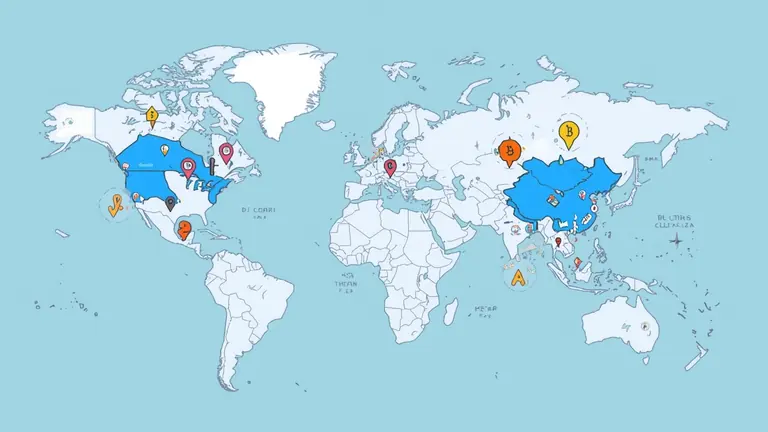
- Check the availability of payment methods and fiat rails that are accessible in your region, as these can greatly impact your ability to deposit or withdraw funds from exchanges.
- Understand the Know Your Customer (KYC) expectations in your region, as they can affect account limits and the time it takes to start trading.
- Ensure that the exchange or platform you choose offers support in your preferred language, which is essential for clear communication and prompt problem-solving.
- Be aware of the visibility of limits and fees, which should be transparent and easily understandable to avoid any unwelcome surprises.
- Adopt safety habits like using two-factor authentication (2FA), keeping your software updated, and never sharing your private keys or seed phrases 🔐.
- Remember to check whether the analysis and data from global sources apply to your local market, as regional variations can lead to different outcomes.
Starting Guide: A Straightforward, Secure Checklist
Embarking on your cryptocurrency journey can feel like navigating a labyrinth of new terms and technologies. But don't worry! We're here to guide you through the process with a simple, step-by-step checklist. By following these practical steps, you can start your crypto adventure with confidence, equipped with the knowledge to keep your digital assets secure. 😊
Remember, the world of cryptocurrency is constantly evolving, so staying informed and practicing safe habits is crucial. Let's get started with the essentials!
- Understand the Basics: Before diving in, take time to learn about what cryptocurrency is and how it works. There are plenty of free resources online to help you grasp the essentials.
- Choose a Cryptocurrency Exchange: Research and select a reputable exchange that operates within your region. Look for one with a user-friendly interface, strong security measures, and good customer support.
- Set Up and Secure Your Account: Create your account on the exchange, using a strong password. Enable two-factor authentication (2FA) 🔐 for an extra layer of security.
- Verify Your Identity: Complete the Know Your Customer (KYC) process. Depending on your location, you may need to provide identification documents to comply with local regulations.✅
- Deposit Funds: Choose a payment method to deposit funds into your exchange account. Options typically include bank transfers, credit/debit cards, or even other cryptocurrencies.
- Start Small: For your first transaction, consider starting with a small amount to familiarize yourself with the process of buying and selling cryptocurrency.
- Explore Wallet Options: Decide on a wallet to store your cryptocurrency. You can choose between hot wallets (online, software-based) and cold wallets (offline, hardware-based).
- Transfer and Store Your Crypto Safely: If you've selected a private wallet, transfer your cryptocurrency from the exchange to your wallet. Always double-check the address before confirming the transaction.
- Keep Learning and Stay Updated: The crypto space is dynamic, with new developments happening all the time. Keep educating yourself and stay aware of market trends and security practices.
Security: Effective, straightforward habits for peace of mind.
When venturing into the evolving landscape of cryptocurrency, adopting a security-first mindset is essential for safeguarding your investments. Think of it as your digital armor; by being proactive and vigilant, you can enjoy the dynamic world of crypto with greater confidence and ease. 😊
Security isn't just about having the right tools; it's about cultivating habits that become second nature. From protecting your personal information to securing your digital assets, a few simple practices can make all the difference. Let's dive into some effective, user-friendly strategies that will help you stay safe in the crypto space. 🔐
- Enable Two-Factor Authentication (2FA): Always activate 2FA on your crypto accounts to add an extra layer of security. This helps ensure that you're the only one who can access your funds, even if someone discovers your password.
- Be Wary of Phishing Attempts: Watch out for suspicious emails or messages that ask for your private information. Remember, legitimate companies will never ask for your sensitive details via email or social media.
- Guard Your Seed Phrase: Treat your wallet's seed phrase like the key to your safe. Store it securely and never share it online. Consider using a physical medium like paper or metal for added safety.
- Secure Your Devices: Keep your computer and smartphone updated with the latest security patches and anti-virus software to fend off malware and hackers.
- Use Withdrawal Whitelists: If available, set up withdrawal whitelists to restrict outgoing transactions to approved addresses only, minimizing the risk of unauthorized transfers.
- Spot Support Scams: Be skeptical of anyone claiming to provide customer support via unsolicited contact. Always use official channels for support queries.
- Backups Are Essential: Regularly backup your wallets, especially after creating new transactions. Ensure your backups are encrypted and stored in multiple secure locations.
Frequently Asked Questions
Is investing in Bitcoin safe in 2023?
Investing in Bitcoin, like any investment, carries inherent risks and should be approached with caution. While the technology underlying Bitcoin is considered secure, market volatility and regulatory changes can affect its value. It's important to conduct thorough research, use reputable exchanges, and implement strong security measures for your digital assets. Remember to invest only what you can afford to lose and consider seeking advice from financial experts.
Are cryptocurrency exchanges legal and how do I check my country's regulations?
Cryptocurrency exchanges operate legally in many countries around the globe, but regulations can vary significantly from one jurisdiction to another. To determine the legality of cryptocurrency exchanges in your country, consult your local financial regulatory body or legal advisor. They can provide up-to-date information on the legal status of cryptocurrencies and any specific compliance requirements for your region as of 2023.
What fees should I expect when trading Bitcoin on exchanges?
When trading Bitcoin on exchanges, you can generally expect to encounter several types of fees, including trading fees, withdrawal fees, and sometimes deposit fees. Trading fees are usually a percentage of the trade amount and can vary based on your trading volume or membership tier. Withdrawal fees depend on the network fee of the blockchain and can fluctuate with network congestion. Always review the exchange's fee structure before trading to avoid surprises.
How can I ensure my withdrawals are secure when moving Bitcoin from an exchange?
To ensure the security of your Bitcoin withdrawals from an exchange, follow these steps: Use two-factor authentication (2FA) for an added layer of security, verify the withdrawal address carefully, and consider using a hardware wallet for storing your Bitcoin offline. Additionally, check if the exchange has insurance policies in place to protect your funds against potential security breaches.
What is KYC and why is it required on most cryptocurrency exchanges?
KYC, or Know Your Customer, is a verification process that requires users to provide identification to verify their identity. Most cryptocurrency exchanges require KYC to comply with anti-money laundering (AML) regulations and to ensure a secure trading environment. This process helps protect against fraud, scams, and illegal activities, thereby safeguarding the interests of legitimate users.
How can I recognize and avoid cryptocurrency scams?
To recognize and avoid cryptocurrency scams, be wary of offers that seem too good to be true, such as guaranteed returns or minimal risk investments. Always use reputable exchanges and wallets, and never share your private keys or recovery phrases with anyone. Stay informed about common scam tactics, and if you're unsure about an investment opportunity, seek advice from trusted sources or financial advisors.
Related articles